
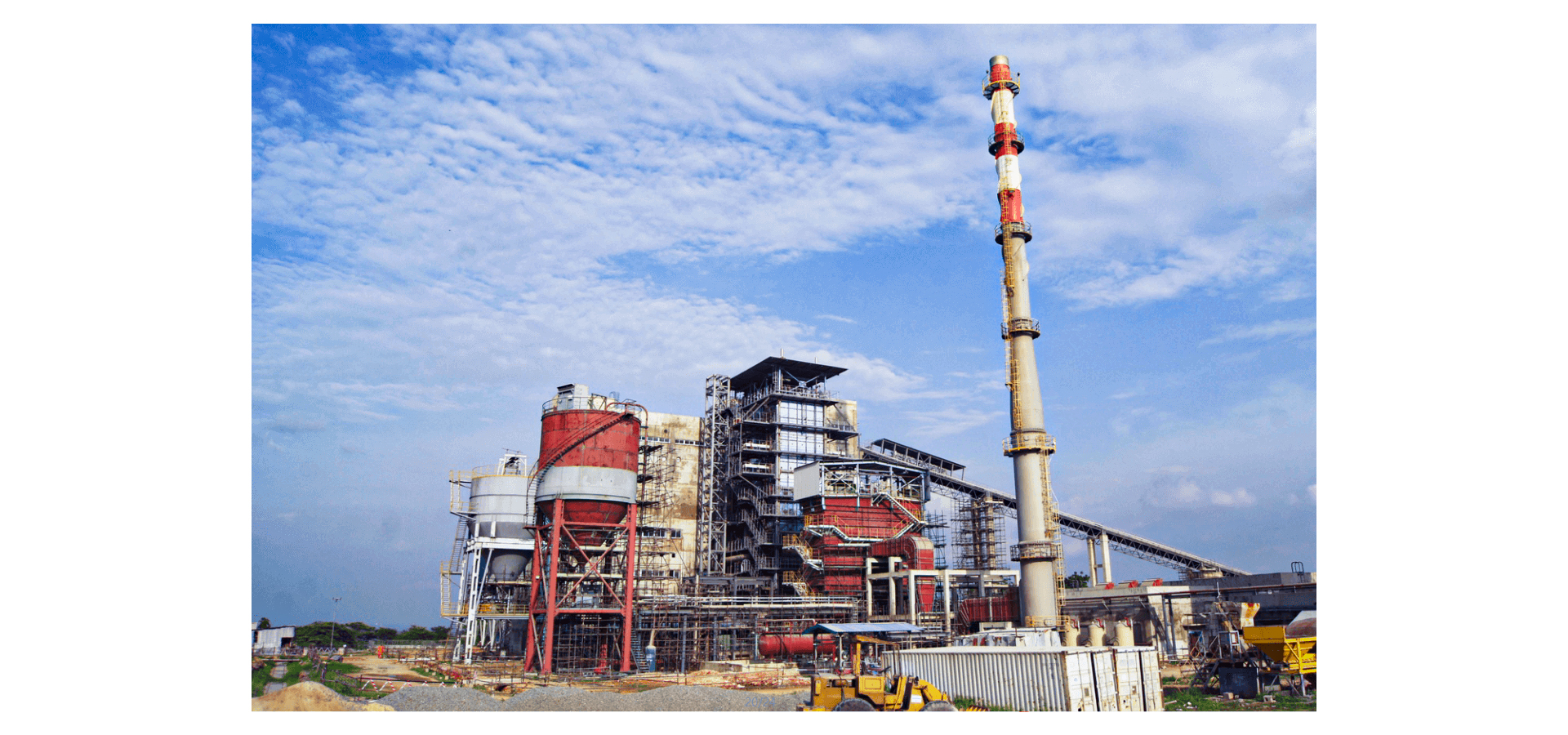
The chimney of boiler island plays a vital role in ensuring safe operations, environmental compliance, and overall efficiency in industrial facilities. Whether installed in a power plant, refinery, manufacturing unit, or offshore facility, the chimney of boiler island is responsible for venting flue gases produced during combustion. Without proper maintenance, this essential structure can become a safety hazard, reduce system efficiency, and lead to regulatory penalties.
Maintaining the chimney of boiler island requires a systematic approach that includes inspection, cleaning, structural assessment, corrosion control, and compliance monitoring. This article outlines the key considerations facility managers and maintenance teams must focus on to ensure long-term reliability and performance.
Understanding the Function of the Chimney of Boiler Island
Before diving into maintenance strategies, it is important to understand the primary function of the chimney of boiler island. The boiler island typically includes the boiler, burners, heat recovery systems, and emission control equipment. The chimney serves as the final outlet for exhaust gases after combustion and treatment processes.
The chimney of boiler island performs several critical tasks:
- Safely disperses flue gases into the atmosphere
- Maintains proper draft for combustion efficiency
- Supports emission control systems
- Protects surrounding structures from heat and gas exposure
Any malfunction in the chimney of boiler island can directly impact boiler performance and environmental safety.
Importance of Regular Inspection
Visual Inspections
Routine visual inspections are the first line of defense in maintaining the chimney of boiler island. Maintenance teams should inspect both internal and external surfaces for:
- Cracks or structural damage
- Corrosion and rust formation
- Loose joints or bolts
- Signs of gas leakage
- Damaged insulation or liners
Visual inspections should be conducted at scheduled intervals and after extreme weather events.
Internal Inspections
Internal inspections of the chimney of boiler island are equally important. Using scaffolding, drones, or rope access techniques, technicians can examine:
- Flue liners
- Refractory materials
- Expansion joints
- Dampers and flow control components
These inspections help detect early-stage deterioration before it turns into a costly repair.
Managing Corrosion and Material Degradation
Corrosion is one of the most common challenges in maintaining the chimney of boiler island. Flue gases often contain sulfur compounds, moisture, and other corrosive elements that can damage metal components.
Causes of Corrosion
- High sulfur fuel combustion
- Condensation inside the stack
- Improper insulation
- Inadequate drainage
If not addressed, corrosion can weaken the structural integrity of the chimney of boiler island and increase the risk of failure.
Preventive Measures
To prevent corrosion:
- Use corrosion-resistant materials
- Apply protective coatings
- Ensure proper insulation to avoid condensation
- Install effective drainage systems
Regular monitoring of flue gas temperature also helps prevent condensation-related damage.
Cleaning and Removal of Deposits
Over time, soot, ash, and other combustion byproducts accumulate inside the chimney of boiler island. These deposits can restrict airflow, reduce draft efficiency, and increase pressure inside the system.
Soot and Ash Removal
Scheduled cleaning helps maintain optimal performance. Depending on fuel type and usage intensity, cleaning frequency may vary. Facilities using heavy fuel oil or coal may require more frequent cleaning compared to those using natural gas.
Impact on Efficiency
When the chimney of boiler island is clogged with deposits:
- Boiler efficiency decreases
- Fuel consumption increases
- Emission levels rise
- Risk of chimney fires increases
Regular cleaning ensures smooth exhaust flow and consistent boiler performance.
Structural Integrity Assessment
The structural health of the chimney of boiler island is critical for operational safety. Over time, factors such as wind loads, thermal expansion, vibration, and environmental exposure can weaken the structure.
Monitoring Structural Stability
Maintenance teams should evaluate:
- Foundation stability
- Vertical alignment
- Wall thickness
- Anchor bolts and supports
- Guy wires (if applicable)
Non-destructive testing methods like ultrasonic thickness testing can help determine metal loss and structural weakening.
Addressing Cracks and Damage
Even minor cracks can grow over time due to thermal cycling. Immediate repair using appropriate materials prevents further deterioration. In severe cases, partial or complete relining of the chimney of boiler island may be required.
Ensuring Proper Draft and Airflow
The chimney of boiler island plays a key role in maintaining proper draft for efficient combustion. An inadequate draft can lead to incomplete combustion, increased fuel usage, and unsafe operating conditions.
Factors Affecting Draft
- Chimney height
- Internal diameter
- Temperature difference between flue gases and ambient air
- Obstructions inside the stack
Maintenance programs should include periodic testing of draft pressure to ensure optimal performance.
Adjusting for Operational Changes
If boiler load changes significantly, the chimney of boiler island may require adjustments or modifications to maintain proper airflow. Installing draft control dampers or monitoring systems can help optimize performance.
Compliance with Environmental Regulations
Environmental regulations often impose strict emission standards for industrial facilities. The chimney of boiler island must support compliance with these regulations.
Emission Monitoring Systems
Continuous emission monitoring systems (CEMS) are commonly installed to measure:
- Carbon dioxide
- Sulfur dioxide
- Nitrogen oxides
- Particulate matter
Proper maintenance of the chimney of boiler island ensures accurate monitoring and reporting.
Avoiding Regulatory Penalties
Failure to maintain the chimney properly can result in:
- Fines and penalties
- Production shutdowns
- Legal consequences
- Damage to company reputation
Routine inspections and documentation help demonstrate compliance with environmental standards.
Thermal Insulation and Heat Management
Thermal insulation plays a significant role in protecting the chimney of boiler island from temperature-related damage. Inadequate insulation can lead to condensation, heat loss, and structural stress.
Benefits of Proper Insulation
- Prevents internal condensation
- Maintains flue gas temperature
- Reduces thermal expansion stress
- Improves overall energy efficiency
Regular inspection of insulation materials ensures they remain intact and effective.
Safety Considerations During Maintenance
Working on the chimney of boiler island involves risks such as working at height, exposure to toxic gases, and confined spaces.
Safety Measures
- Use proper fall protection systems
- Ensure adequate ventilation
- Follow confined space entry protocols
- Provide personal protective equipment
- Conduct gas testing before entry
A well-defined safety plan minimizes risks and ensures compliance with workplace safety standards.
Documentation and Maintenance Scheduling
A structured maintenance schedule is essential for preserving the longevity of the chimney of boiler island. Proper documentation supports preventive maintenance and regulatory compliance.
Maintenance Records
Keep detailed records of:
- Inspection dates
- Cleaning schedules
- Repair work
- Replacement of components
- Emission data
These records help identify recurring issues and improve long-term planning.
Preventive vs Reactive Maintenance
Preventive maintenance is always more cost-effective than reactive repairs. Addressing small issues early prevents major structural failures and expensive downtime.
Long-Term Planning and Upgrades
As industrial standards evolve, older chimneys may require upgrades to meet modern efficiency and emission requirements. Facility managers should periodically assess whether the chimney of boiler island needs modernization.
Possible upgrades include:
- Installing new liners
- Upgrading emission control equipment
- Increasing chimney height for better dispersion
- Integrating digital monitoring systems
Proactive investment in upgrades ensures long-term reliability and compliance.
Conclusion
The chimney of boiler island is far more than a simple exhaust structure. It is a critical component that directly influences safety, efficiency, environmental compliance, and operational reliability. Proper maintenance involves regular inspections, corrosion control, cleaning, structural assessment, airflow management, and adherence to safety protocols.
By implementing a comprehensive maintenance strategy, facility operators can extend the lifespan of the chimney of boiler island, reduce downtime, enhance performance, and avoid costly penalties. A well-maintained chimney ensures that the entire boiler island operates smoothly, safely, and efficiently for years to come.