
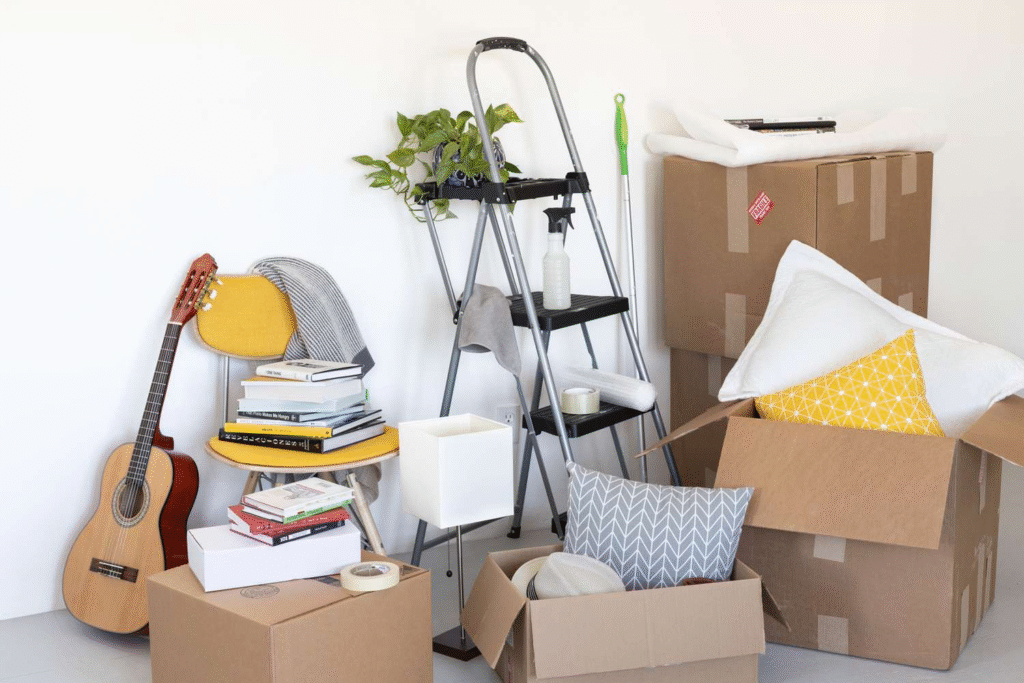
A hobby room is often filled with items that reflect your interests, creativity, and years of dedication. Whether you enjoy painting, sewing, woodworking, crafting, photography, model building, knitting, or collecting supplies for DIY projects, relocating a hobby room requires more planning than packing ordinary household belongings. Many hobby items are delicate, expensive, or organized in ways that are important to preserve. Choosing Flyttfirma i Sverige can help make your relocation more organized while allowing you to focus on protecting your valuable hobby equipment and supplies.
Unlike standard household items, hobby rooms often contain hundreds of small accessories, specialized tools, fragile projects, and carefully sorted materials. Without a structured packing strategy, these items can easily become mixed together, damaged, or difficult to locate after moving. By preparing your hobby room early, you can protect your equipment while making it easier to continue enjoying your favorite activities once you’re settled into your new home.
Whether your hobby is artistic, technical, or recreational, careful organization before moving day will help preserve both your supplies and your creative workflow.
Evaluate Everything in the Room
Start by taking a complete inventory of your hobby room.
Examples may include:
- Art supplies
- Sewing machines
- Fabric
- Paint brushes
- Power tools
- Craft materials
- Photography equipment
- Model kits
- Musical accessories
Knowing exactly what you own makes packing much easier.
Declutter Before Packing
Moving is the perfect opportunity to reduce unnecessary supplies.
Separate everything into:
- Keep
- Donate
- Sell
- Recycle
Dispose of broken tools or materials that are no longer useful.
Reducing clutter saves both packing time and moving costs.
Organize Supplies by Category
Sort similar items together before placing them into boxes.
For example:
- Paints
- Brushes
- Fabrics
- Thread
- Hand tools
- Electronic accessories
- Craft paper
Keeping categories together makes unpacking far more efficient.
Finish Ongoing Projects
If possible, complete any projects you’re currently working on before moving.
If that’s not practical:
- Store unfinished work safely.
- Label project boxes clearly.
- Keep instructions with project materials.
This allows you to resume your work easily after the move.
Use Small Storage Containers
Many hobby supplies are small and easy to lose.
Use:
- Plastic organizers
- Compartment boxes
- Resealable bags
- Small containers
Label each container carefully.
Protect Fragile Equipment
Expensive equipment deserves additional protection.
Wrap delicate items using:
- Bubble wrap
- Foam sheets
- Soft towels
- Protective cases
Examples include cameras, sewing machines, microscopes, and precision tools.
Pack Sharp Tools Safely
If your hobby involves cutting tools, secure them carefully.
Examples include:
- Scissors
- Craft knives
- Chisels
- Carving tools
Use blade covers or protective sleeves before packing.
Organize Cables and Accessories
Electronic hobbies often include multiple cables.
Bundle together:
- Chargers
- Power cords
- USB cables
- Adapters
Label each cable to simplify setup later.
Protect Liquids
Some hobbies involve liquid products such as:
- Paint
- Glue
- Resin
- Ink
Ensure lids are tightly sealed.
Place containers inside leak-resistant bags before boxing them.
Label Every Box
Write detailed labels on every container.
Examples include:
- Craft Supplies
- Sewing Room
- Photography Equipment
- Fragile Tools
Clear labels make unpacking much more organized.
Keep Valuable Equipment With You
Whenever practical, personally transport high-value items such as:
- Cameras
- Laptops
- Precision instruments
- Collectibles
Keeping valuable equipment nearby provides additional peace of mind.
Photograph Your Setup
Before dismantling your workspace, take photos of:
- Storage shelves
- Workstations
- Tool organization
These photos help recreate your workspace after moving.
Plan the New Hobby Room
Before unpacking, decide where major furniture and storage systems will be placed.
Consider:
- Lighting
- Electrical outlets
- Ventilation
- Storage accessibility
Good planning creates a more enjoyable workspace.
Organize as You Unpack
Rather than unpacking randomly, rebuild your hobby room step by step.
Begin with:
- Large furniture
- Storage units
- Main equipment
- Frequently used supplies
Keeping everything organized from the beginning saves time later.
Maintain Your Organization System
After moving, continue using labels and storage containers.
A well-organized hobby room helps improve creativity and productivity while making future moves much easier.
Common Hobby Room Moving Mistakes
Avoid these common mistakes:
- Mixing supplies from different hobbies.
- Packing unfinished projects carelessly.
- Forgetting to label small containers.
- Leaving liquids unsecured.
- Throwing tools into large boxes.
- Ignoring fragile equipment.
Thoughtful packing helps preserve both your supplies and your projects.
Frequently Asked Questions
What’s the best way to pack small hobby supplies?
Use divided organizers, resealable bags, and labeled containers to keep everything sorted.
Should unfinished projects be packed separately?
Yes. Keep project materials together and clearly label them so they can be continued easily after moving.
How should expensive hobby equipment be transported?
Wrap equipment with protective padding and carry especially valuable items personally whenever possible.
Why should I photograph my hobby room before moving?
Photos help recreate your storage system and workspace more quickly after arriving at your new home.
Final Thoughts
Preparing a hobby room for relocation requires patience, organization, and careful attention to detail. By sorting supplies, protecting delicate equipment, labeling containers, and planning your new workspace in advance, you can preserve your creative environment while making the transition much smoother.
Your hobbies are an important part of your daily life, and a well-planned move ensures they won’t be interrupted for long. With careful preparation, you’ll be able to unpack, organize, and return to your favorite activities in your new home with minimal stress and maximum enjoyment.