
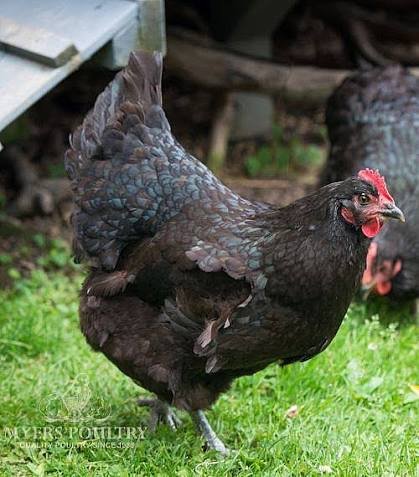
Raising Australorp chickens can be a rewarding experience for anyone interested in backyard poultry keeping. Known for their calm temperament, attractive appearance, and excellent egg-laying abilities, Australorps are a popular choice among beginners and experienced chicken owners. However, building a successful flock starts with australorp chicks for sale selecting healthy chicks. The quality of the birds you bring home can influence their growth, future egg production, and overall well-being.
When searching for Australorp chicks, it is important to look beyond appearance and consider their activity level, physical condition, living environment, and breeding background. Understanding these factors can help you choose strong, healthy birds that are well suited to your backyard setup.
Understand the Australorp Breed
Before purchasing chicks, learn about the characteristics that make Australorps distinctive. Originally developed in Australia, this breed is valued for its productive nature, friendly personality, and adaptability to different poultry-keeping environments.
Black Australorps are particularly recognizable because of their dark feathers, which can display an attractive green sheen in sunlight as they mature. Their chicks commonly have dark down, although exact markings may vary. Other recognized color varieties may also be available depending on the breeder and local poultry standards.
Australorps generally develop into medium-sized chickens with sturdy bodies and a calm disposition. Hens are well known for their ability to produce brown eggs when properly cared for. These characteristics make the breed suitable for many backyard flocks.
Understanding normal breed traits helps buyers identify birds that appear consistent with Australorp characteristics. Nevertheless, appearance alone cannot confirm a chick’s health or genetic background.
Choose a Reliable Breeder
Selecting a trustworthy breeder is one of the most important steps when buying Australorp chicks. Responsible breeders prioritize flock health, proper nutrition, suitable housing, and careful breeding practices.
Look for breeders who can explain how their chicks have been raised and provide clear information about their parent birds. They should be willing to discuss the flock’s health history, chick age, feeding routine, and any vaccinations or preventive care provided.
A reliable breeder usually maintains clean brooders, provides appropriate warmth, and ensures that chicks have continuous access to clean drinking water and suitable starter feed. The birds should have enough space to move comfortably without excessive crowding.
Ask whether the chicks have been observed regularly and whether any unusual illness or mortality has occurred in the group. Honest answers are a positive sign. Avoid purchasing from sellers who refuse reasonable questions or keep birds in visibly unhealthy conditions.
Examine the Chicks’ Activity Levels
Healthy Australorp chicks are generally alert, responsive, and interested in their surroundings. When approached, they may move around, explore their enclosure, or gather near food and water.
Observe the group before choosing individual birds. Chicks that move naturally and interact with their surroundings are generally more encouraging candidates than birds that remain unusually inactive.
Watch for signs that may indicate a health problem, including persistent lethargy, difficulty standing, labored breathing, or repeated separation from the group. A chick that appears weak or unresponsive should not be selected simply because it is inexpensive.
Keep in mind that chicks need rest, and their activity may vary throughout the day. A short observation is helpful, but it should not replace information about their care and health history.
Check Their Eyes, Beaks, and Nostrils
A chick’s face can provide useful clues about its physical condition. Healthy-looking Australorp chicks typically have clear, open eyes and a clean face without obvious swelling or discharge.
Examine the nostrils for visible mucus, crusting, or unusual moisture. These signs may indicate a respiratory problem, particularly when accompanied by sneezing or breathing difficulties.
The beak should appear reasonably straight and properly aligned, allowing the chick to pick up feed. Minor variations can occur, but significant deformities may interfere with feeding and normal development.
Observe the chick’s breathing from a comfortable distance. Persistent gasping, wheezing, or repeated open-mouth breathing in a suitable-temperature environment deserves attention.
If several chicks in the same group show similar symptoms, consider choosing another source and ask a poultry veterinarian for guidance before introducing any birds to an existing flock.
Inspect Their Legs and Feet
Strong legs and healthy feet are important for normal movement, feeding, and future growth. When selecting Australorp chicks, look for birds that stand steadily and walk without obvious difficulty.
The legs should appear reasonably straight and support the chick’s body comfortably. Both feet should have functional toes without noticeable swelling, open wounds, or severe deformities.
Observe how the chicks walk across their enclosure. Repeated stumbling, an inability to stand, or a pronounced leg weakness may suggest a developmental issue or health problem.
Also consider the brooder environment. Slippery flooring, poor nutrition, and unsuitable conditions can contribute to leg problems during early development.
If you notice an abnormality, ask the breeder about the chick’s condition and seek professional advice when necessary. Choosing birds with normal mobility gives your backyard flock a better starting point.
Evaluate Feathering and Body Condition
Young Australorps are covered in soft chick down before their adult feathers develop. Their appearance changes as they grow, so their feathering should be assessed according to their age.
Healthy chicks generally have clean, reasonably even down without extensive bare patches, visible skin injuries, or signs of parasites. Their bodies should appear proportionate, and they should be able to stand and move comfortably.
Avoid judging health solely by size. Chicks from the same hatch may grow at slightly different rates, and natural variation does not automatically indicate poor health.
Instead, consider overall condition, movement, alertness, and the quality of care they have received. Ask the breeder whether the chicks are growing consistently and receiving a nutritionally balanced starter diet.
Clean feathering and a well-maintained appearance can be encouraging signs, although neither guarantees that a chick is free from disease.
Ask About Age, Feeding, and Vaccination
Knowing the chicks’ age helps you prepare suitable housing, feeding arrangements, and temperature management. Ask the breeder for the hatch date and whether the birds have already received any vaccinations or other preventive treatments.
Chicks require a complete, age-appropriate starter feed formulated for poultry. It should provide the protein, vitamins, minerals, and energy necessary for early growth. Clean water must remain available at all times.
Avoid making sudden feed changes immediately after bringing the chicks home. If possible, continue their existing feeding routine for the first few days and introduce any changes gradually.
Vaccination needs depend on local disease risks, the breeder’s practices, and the management system. Request a written record when vaccination has been provided, and consult a poultry veterinarian about appropriate preventive care in your area.
Do not assume that every chick has received the same treatment. Confirm the details before making health-management decisions.
Consider Whether You Need Pullets or Mixed-Sex Chicks
Your backyard goals should influence which Australorp chicks you purchase. If your main objective is egg production, you may prefer female chicks, commonly called pullets.
However, sexing very young chicks can be difficult, and accuracy depends on the method used and the seller’s experience. Ask whether the chicks are professionally sexed or sold as straight-run, meaning their sexes have not been reliably separated.
If you plan to keep a rooster for breeding, learn about local regulations, noise considerations, and the space required to maintain a balanced flock. A rooster is not necessary for hens to lay eggs.
Choose the option that best fits your available space, household needs, and long-term poultry plans.
Prepare Your Backyard Before Bringing Chicks Home
Even healthy chicks need a safe, well-prepared environment to thrive. Set up the brooder before collection day, ensuring that it provides appropriate warmth, ventilation, clean bedding, and protection from predators.
The brooder should have enough space for chicks to move away from the heat source if they become too warm. Monitor their behavior and adjust the temperature according to their age and comfort.
Use shallow, chick-safe drinkers to reduce the risk of accidental drowning, and keep feed and water clean. Replace wet bedding promptly and avoid overcrowding.
As the birds grow, provide a secure coop and an enclosed outdoor area with sufficient room for natural behaviors. Australorps benefit from opportunities to scratch, forage, dust-bathe, and rest safely.
Good preparation reduces stress during the transition and helps chicks settle into their new surroundings.
Introduce New Chicks Carefully
If you already keep chickens, do not place newly purchased chicks directly into the established flock. Young birds are vulnerable, and introducing newcomers without appropriate precautions can expose existing chickens to disease.
Keep new arrivals in a separate, suitable area and follow veterinary guidance on quarantine duration and monitoring. A period of approximately 30 days is commonly used for new poultry, although the appropriate approach may vary with circumstances and veterinary advice.
Observe the chicks daily for changes in appetite, activity, breathing, droppings, or movement. Seek veterinary help if concerning symptoms develop.
When the birds are old enough and their health status has been assessed, plan gradual introductions rather than placing them together immediately. This helps reduce stress and allows the flock to adjust more safely.
Conclusion
Choosing healthy Australorp chicks requires careful observation, reliable sourcing, and thoughtful preparation. By examining activity levels, eyes, breathing, legs, feathering, and overall body condition, you can make a more informed purchasing decision.
A responsible breeder should provide clear information about the chicks’ age, feeding, health history, and preventive care. Just as importantly, a clean brooder, balanced nutrition, safe housing, and regular monitoring will support their development after they arrive.
Whether you are starting your first backyard flock or expanding an established group, selecting well-cared-for Australorp chicks is an important first step toward raising healthy, productive chickens. With patience and consistent attention, your birds can become a valuable and enjoyable part of your poultry-keeping experience.